What Are Good Printing Machines for Industrial Label Printing on Various Objects?
Each product around you has something written or printed on it. There can be a logo, barcode, batch number or even a date on the product. In manufacturing industries, this process is known as Industrial label printing.
Products can be made of plastic, metal, and glass. Some of the objects are flat and some are curved and very small. It is impossible to use only one machine to make prints on all types of objects; therefore, we will take a closer look at the best machines for this purpose.
1. Fiber Laser Machines: Best for Metal
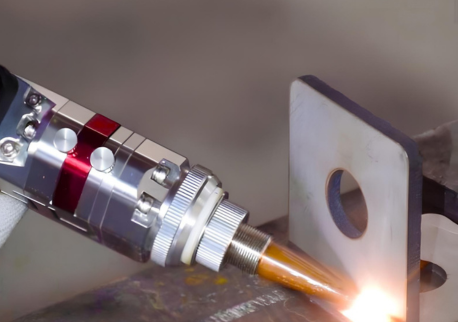
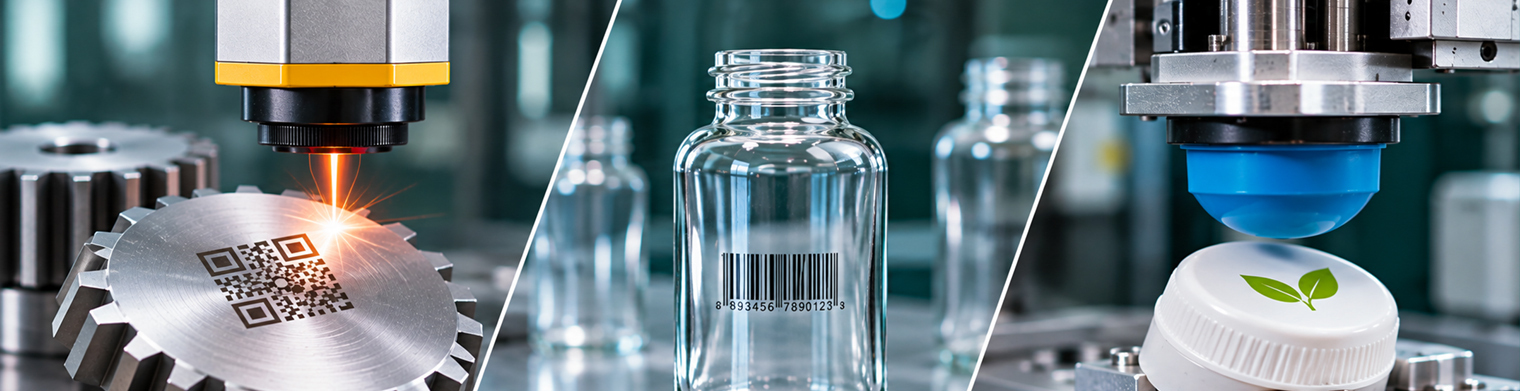
In Fiber laser, an intense beam of light is used to mark the object surface. Fiber laser does not use ink, so the mark does not fade, rub off, or wash away. It works very well on steel, aluminium, brass, and other metals.
- Serial numbers on machine parts
- Barcodes and QR codes on tools
- Logos on metal plates
2. UV Laser Machines: Suitable for Plastic and Glass Materials
The marking should be done without damaging the material due to heating. UV lasers are referred to as "cold" lasers due to the gentle way of marking. They provide high-quality results.
They are best applied to:
- Plastic components and packaging
- Glass bottles and containers
- Silicone and rubber parts
- Small electronic and medical products
When you plan to print small texts and codes, the UV Laser Marking Machine is the most suitable solution.
3. Pad Printing Machines: Suitable for Curved Surfaces
Sure, lasers work well, but there are times you need colour in your printing process. Pad printing comes in handy in such situations. A flexible silicone pad takes ink from a printing plate and applies it on the object in question. This happens because of the softness of the pad hence can flex with the contours of the object.
Pad printing can work with:
- Ball point pens and bottle caps
- Toys and cosmetic packages
- Electrical switches and parts
- Medical devices
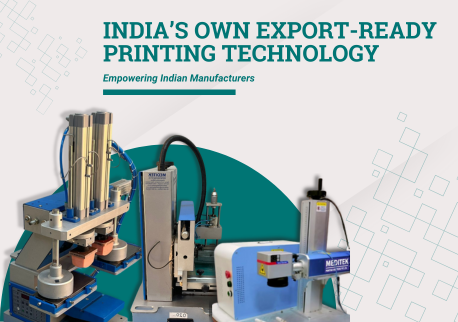
Pad printing uses plastic, metal, and glass and it can use single or multiple colours in printing. The range of pad printing systems from Meditek includes the MPS 2615 3C SHTL, among others, and caters to small and large-scale applications. When your product is irregularly shaped and you require vibrant logo printing, pad printing is likely to be the most convenient solution.
How to Choose the Right Machine For Your Purpose
Before you buy, ask yourself a few simple questions:
- What is my product made of? Metal, plastic, glass, and rubber react differently.
- What shape does it have? Screen is good for flat objects, whereas pad works for curved products. Laser is useful when you have small surfaces.
- What am I going to mark on the product? Vibrant logos can be easily created using pad printing, while barcodes are best with laser.
- How long should the mark last? For heat-, oil-, and detergent-resistant mark, there is no better option than laser.
- How many products do I print per day? More products require a faster and more automated system.
- What is my budget? Don't think about the price alone. Think about the cost of operation. Laser printers use no ink.
Conclusion
Not all machines work with all objects. The correct decision is based on the type of material from which your product is manufactured and what kind of markings it should have.
- Fiber Laser Machine – for metals;
- UV Laser Machine – for plastic, glass and fragile products;
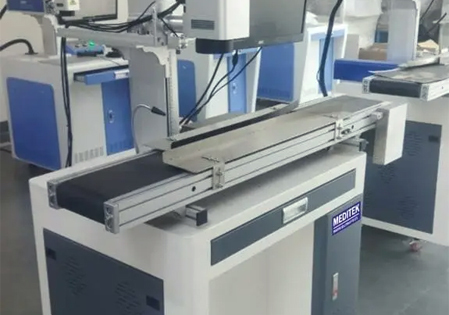
- Laser Machine with Camera Guidance – for precision marking of small parts;
- Pad Print Machine – for color markings of curved or irregular shaped objects.
The correct machine choice will ensure your labels look clear and last long. If you are still unsure about what machine works for your product, the best option would be to run a test sample.