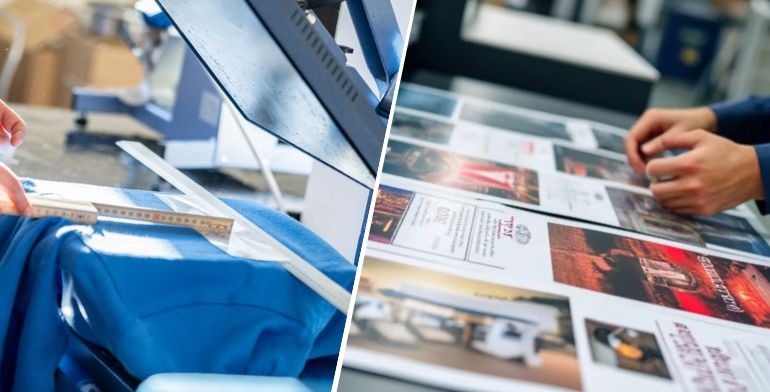
Product printing plays a critical role in modern manufacturing. From branding logos on cosmetics bottles to printing technical markings on industrial components, high-quality printing ensures products look professional and meet regulatory requirements.
However, manufacturers often face several challenges during the printing process that affect print quality, durability, and production efficiency. Understanding these problems and their solutions can significantly improve productivity and reduce waste.
1. Most Common Product Printing Challenges and Solutions
1.1 Inconsistent Print Quality
One of the most common challenges in product printing is inconsistent print quality. Manufacturers often face problems like faded prints, blurred text, uneven ink distribution, or smudging. These issues reduce the visual appeal of the product and can negatively impact brand perception.
Common problems include:
- Low-quality printing inks
- Incorrect machine settings
- Worn-out printing plates or pads
- Poor surface preparation
hello
How to solve it:
- Use high-quality industrial inks suitable for the product material.
- Regularly maintain and calibrate printing machines.
- Replace worn pads, plates, or screens on time.
- Ensure the product surface is clean and compatible with the ink.
2. Printing on Different Materials
Manufacturers often need to print on a variety of materials such as plastic, metal, glass, rubber, and coated surfaces. Each material interacts differently with printing inks, which can create challenges during production.
Common problems include:
- Ink not adhering properly to the surface
- Ink spreading or fading after printing
- Poor durability of printed information
How to solve it:
- Use specialized inks designed for specific materials.
- Conduct adhesion tests before starting large production runs.
- Adjust curing methods such as UV curing, heat drying, or air drying depending on the material.
3. Slow Production Speed
In high-volume manufacturing, slow printing processes can delay production lines and impact delivery schedules. Inefficient printing systems can also increase labor and operational costs.
Common problems include:
- Manual printing processes that slow down production
- Frequent machine setup changes between products
- Long drying time for inks
- Machine downtime due to maintenance or technical issues
hello
How to solve it:
- Invest in automated or high-speed industrial printing machines.
- Optimize machine setup and workflow processes.
- Use fast-drying inks to reduce waiting time between production stages.
4. Ink Adhesion and Durability Issues
Printed products often go through handling, transportation, and environmental exposure. If the print is not durable, it may fade, peel, or scratch easily, which affects product quality and brand reliability.
Common problems include:
- Incorrect ink formulation
- Improper curing
- Surface contamination
hello
How to solve it:
- Use industrial-grade inks designed for durability.
- Implement proper curing methods like UV curing or heat treatment.
- Conduct scratch, chemical, and abrasion resistance testing.
5. Regulatory and Labeling Requirements
Many industries must follow strict labeling regulations. Products often require accurate printing of batch numbers, expiry dates, barcodes, and safety information. Any printing errors can result in compliance issues or product recalls.
Common problems include:
- Incorrect or missing product information
- Poor print clarity that makes labels difficult to read
- Inconsistent printing of variable data like batch numbers
- Compliance issues due to printing errors
hello
How to solve it:
- Use precision printing technology for clear and readable information.
- Implement automated data printing systems.
- Perform quality checks before packaging.
6. High Printing Costs
High printing costs are another major challenge for manufacturers. Expenses related to inks, machine maintenance, and production downtime can significantly increase overall operational costs.
Common problems include:
- High cost of specialized industrial inks
- Excess ink wastage during printing
- Frequent replacement of printing plates, pads, or screens
- Machine downtime leading to production losses
hello
How to solve it:
- Optimize ink usage and reduce wastage.
- Maintain machines regularly to prevent breakdowns.
- Choose reliable suppliers for inks and printing equipment.
Final Thoughts
Product printing is a vital part of modern manufacturing, but it comes with challenges ranging from inconsistent quality to material compatibility and regulatory requirements. By using the right printing technology, high-quality inks, and proper maintenance practices, manufacturers can overcome these issues and achieve reliable, high-quality product printing.
If you are looking for reliable printing solutions and high-performance printing inks, you can contact Meditek Printing Solutions via email “info@meditekprintingsolutions.com” or call at “+91 98115 00524”.